
Autumn Budget 2024: Key Changes and Their Impact on Taxpayers and Businesses
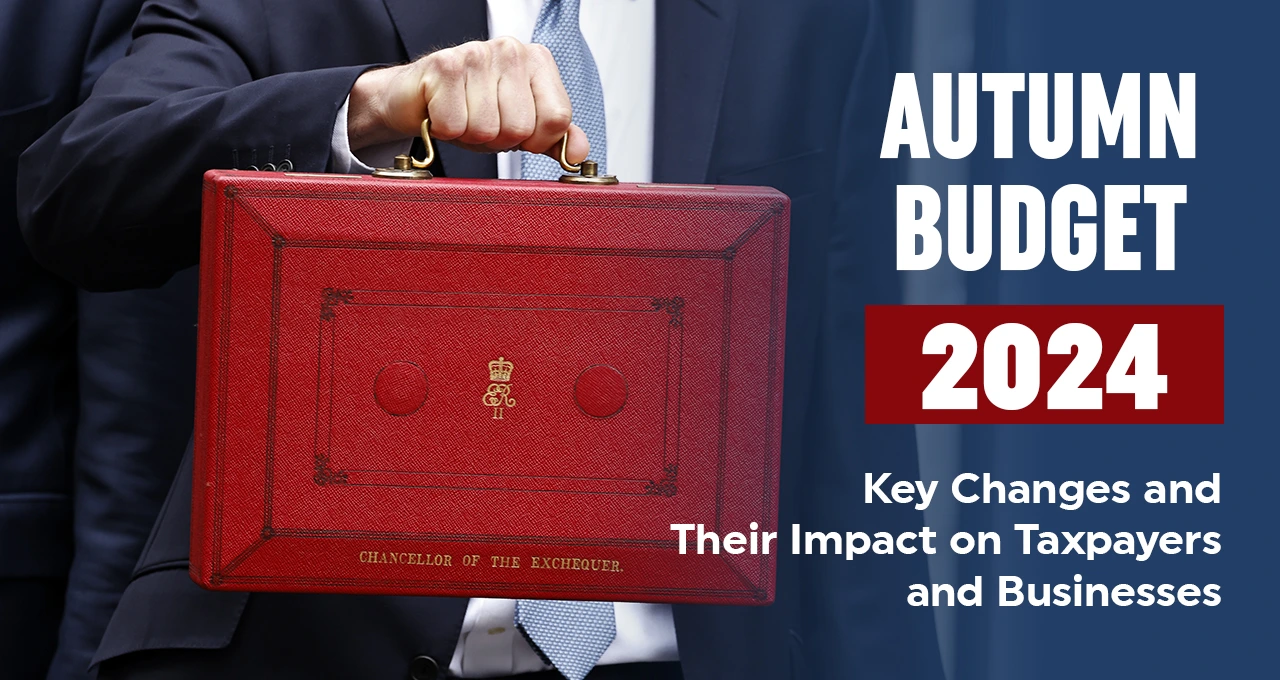
In her Autumn Budget 2024, the Chancellor of the Exchequer has set out a strategic plan to address foundational challenges in the UK economy. This budget brings significant tax reforms across various sectors, impacting individual taxpayers and businesses alike. Here’s a closer look at these changes and what they mean for taxpayers.
Inheritance Tax (IHT)
Threshold and Pensions:
The IHT threshold will remain frozen at £325,000 until 2030, limiting the tax-free allowance for estates. From April 2027, pensions passed on after death will also be subject to IHT, potentially impacting retirement planning strategies.
Agricultural and Business Property Relief:
Beginning in April 2026, a new relief structure will apply. The highest relief of 100% will apply only on the first £1 million of combined agricultural and business assets; beyond that, relief reduces to 50%. This change will likely prompt estate planning adjustments for those relying on these reliefs.
Offshore Trusts:
Offshore trusts will no longer provide IHT sheltering, with transitional arrangements for those who had planned based on current regulations. This measure is expected to deter tax avoidance strategies involving offshore assets.
Capital Gains Tax (CGT)
Increased Rates:
Basic and higher-rate CGT rates will rise to 18% and 24%, respectively, for assets (excluding additional property). The increase aims to raise revenue while discouraging short-term asset sales, with property gains remaining at the same rates.
Business Asset Disposal Relief:
The relief will be preserved at 10% initially, rising gradually to 18% by April 2026. Business owners may expedite disposals to take advantage of current lower rates.
Carried Interest Reform:
Increased CGT rates of 32% on carried interest will apply, transitioning to a revised regime in April 2026. This adjustment aligns the UK’s carried interest treatment more closely with other jurisdictions, impacting private equity and venture capital returns.
Stamp Duty Land Tax (SDLT)
Additional Dwellings Surcharge: From October 31, 2024, the SDLT surcharge for additional properties in England and Northern Ireland rises from 3% to 5%, increasing transaction costs for property investors and second-home buyers.
Value Added Tax (VAT)
Private School Fees: VAT will apply to private school fees from January 2025, raising educational costs for families who choose private education and impacting boarding schools’ financial planning.
Income Tax and National Insurance Contributions (NICs)
- Threshold Freeze: Income tax and NIC thresholds will remain frozen in England and Wales until 2027-28, impacting take-home pay as inflation erodes purchasing power. Employee NIC rates remain unchanged.
- Employer NICs: Employers will face an increased NIC rate of 15% on earnings above £175 from April 2025, with the threshold reduced to £5,000, while the employment allowance rises to £10,500. These changes will increase hiring costs, especially for small businesses.
Business Rates
- Rate Relief Changes: The current 75% business rates discount will be replaced by a 40% discount from April 2025, capped at £110,000. Additionally, private schools in England will lose charitable rate relief, increasing operating costs.
Corporation Tax
- Rate Stability: The corporation tax rate remains at 25% for businesses with profits over £250,000 until the next election, providing stability amidst other fiscal changes.
Excise Duties
- Fuel Duty and VED: Fuel duty will be frozen for another year, with a temporary 5p reduction extended to 2026. Vehicle excise duty rates will rise in 2025-26, with zero-emission vehicles benefitting from a fixed £10 rate until 2030.
- Alcohol, Tobacco, and Vaping: Alcohol duty will rise with inflation (RPI), with a draft duty cut for pubs. Tobacco duty will increase by RPI+2%, with additional escalations for hand-rolling tobacco and new vaping duty introduced in 2026.
- Air Passenger Duty (APD): APD rates will rise for domestic, short-haul, and long-haul flights from 2026-27, though children under 16 remain exempt, with a substantial APD increase for larger private jets.
Non-Domiciled Tax Regime
- Transition to Residence-Based Regime: The non-dom regime will be replaced by a residence-based approach from April 2025, eliminating the 50% reduction for foreign income. This change aims to boost domestic tax contributions, affecting high-net-worth individuals with significant offshore income.
Additional Government Commitments
- Capital Allowances and R&D Reliefs: The capital allowances framework, including the £1 million Annual Investment Allowance (AIA) and full expensing, will continue, providing stability for business investment. R&D reliefs will also remain unchanged, supporting innovation.
- Tax Certainty for Major Investments: A new framework will offer greater tax certainty for significant investments, likely aiming to attract foreign investment.
Implications for Taxpayers and Businesses
This Autumn Budget signifies substantial shifts, particularly for high-income taxpayers, property owners, and business owners. The freezes on thresholds, coupled with increased rates and restructured reliefs, will drive some to reconsider their financial strategies, estate plans, and investment timelines. Businesses will face higher operational costs, particularly through NICs and business rates, while relief on capital investments and R&D may provide opportunities to offset costs.
The Autumn Budget 2024 represents a strategic rebalancing of the UK’s tax structure, intended to fortify public finances while incentivizing domestic investments. However, taxpayers and businesses will need to adjust proactively to mitigate these impacts and optimize for the revised fiscal landscape.So, why wait? Reach out to us today or click here to get a FREE Quote now!


