
The Essential Guide to Pension Beneficiary Nominations for Tax-Efficient Wealth Transfer

When it comes to passing on wealth, pensions offer one of the most tax-efficient methods available in the UK. By nominating beneficiaries, you can ensure your pension funds are transferred according to your wishes while potentially bypassing inheritance tax (IHT) and avoiding probate. Here’s a comprehensive look at why pension beneficiary nominations are critical, how to make them, and how they can support effective estate planning.
What Is a Pension Beneficiary Nomination?
A pension beneficiary nomination allows you to specify who should inherit your pension pot upon your death. Most UK pension providers offer a straightforward nomination form where you can list one or more beneficiaries (including individuals or trusts) to receive these funds.
Since pensions generally fall outside of your estate, they often avoid probate and are usually exempt from IHT. This feature makes pensions a unique, tax-efficient asset that can significantly benefit your chosen beneficiaries.
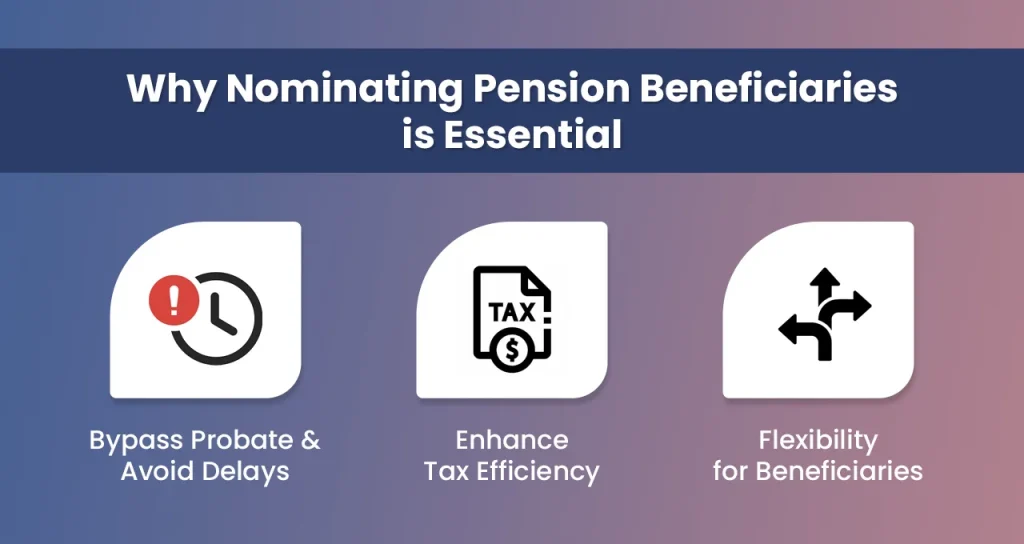
Why Nominating Pension Beneficiaries Is Essential
- Bypass Probate and Avoid Delays: When beneficiaries are nominated, pension providers can transfer funds directly to them, bypassing probate. This avoids delays, reduces costs, and provides beneficiaries with faster access to the funds.
- Enhance Tax Efficiency: Nominated pensions remain outside the estate and are therefore typically exempt from IHT. Without a valid nomination, pension funds may default to the pension provider’s discretion or even fall into the estate, potentially attracting IHT.
- Flexibility for Beneficiaries: Nominated beneficiaries can choose to withdraw the pension as a lump sum, leave it invested, or take periodic withdrawals. This flexibility allows beneficiaries to manage withdrawals based on their tax situation, especially relevant if the pension holder dies after age 75 (when withdrawals are taxed at the beneficiary’s marginal rate).
How to Nominate Pension Beneficiaries
- Check with Your Pension Provider: Every pension provider has its own process for nominations, often completed through a form or an online portal. You’ll need to provide the full name, relationship, and contact information for each beneficiary.
- Specify Allocation Percentages: You can typically allocate portions of your pension to multiple beneficiaries. For example, you might choose to allocate 70% to one child and 30% to another. Most forms allow you to specify these percentages clearly.
Keeping Nominations Updated
- Review Regularly: Significant life events like marriage, divorce, or the birth of children can change your priorities. Regularly review your beneficiary nominations to ensure they reflect your current wishes.
- Avoid Outdated Nominations: Outdated nominations, such as naming an ex-partner or a deceased individual, can complicate matters for your beneficiaries. Pension providers will typically follow the latest valid nomination on file, making accuracy essential.
- Respond to Provider Reminders: Many pension providers send reminders to review and update nominations if they notice inactivity. Taking a moment to confirm or update your choices during these reminders is a simple way to keep your plan current.
Special Considerations for Pension Nominations
- Minor Beneficiaries: If you want to name minors, you may need to set up a trust or appoint a guardian to manage the funds until the beneficiaries reach legal age.
- Nominate a Trust for Greater Control: A trust can be a useful tool if you want strict control over how pension funds are distributed, especially in complex family situations or when beneficiaries have specific needs.
Understanding the Tax Treatment for Beneficiaries
- Death Before Age 75: If you pass away before reaching 75, your beneficiaries can inherit the pension entirely tax-free. They may withdraw it as a lump sum, take it as income, or leave it invested without paying income tax.
- Death After Age 75: If you pass away at or after 75, withdrawals by beneficiaries will be taxed at their individual income tax rates. This difference makes strategic planning around drawdowns even more important in later life.
Real-Life Example: How a Pension Nomination Works
Consider Sarah, who has a pension pot of £500,000 and two children. She wants to divide her pension equally between her children. Here’s how she can accomplish this:
- Sarah contacts her pension provider and completes a beneficiary nomination form.
- She lists each child as a beneficiary, allocating 50% of her pension to each.
- If Sarah later marries, she might want to add her spouse as a beneficiary. She can update her nomination form to include her spouse and adjust the allocations.
- Upon Sarah’s passing, the pension provider will distribute the pension directly to her children (or as updated), avoiding probate and providing a streamlined, tax-efficient transfer.
Final Thoughts: The Importance of Keeping Pension Nominations Current
Ensuring your pension aligns with your estate planning goals is essential, and nominating beneficiaries—and keeping those nominations up to date—is a simple yet powerful step. It preserves the tax efficiency of your pension, provides certainty to loved ones, and avoids potential complications if no nomination is in place. For the best results, consult a financial adviser who can help tailor your pension nominations to your financial strategy, ensuring a smooth and effective wealth transfer aligned with your legacy wishes.
By using this guide, you’re already taking proactive steps to protect your legacy and provide your loved ones with a secure, tax-efficient financial future.


